

Blog
Why Masala Flavours Never Get Boring

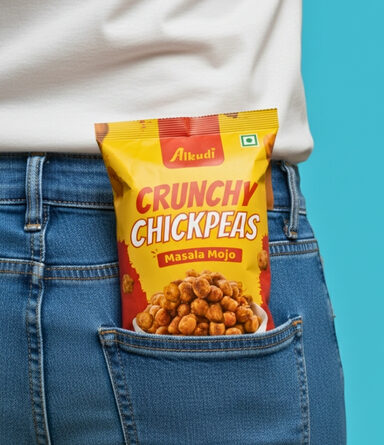
There are food trends that come and go, and then there are flavours that refuse to fade. In India, masala falls firmly into the second category. While global cuisines rise and fall in popularity and new flavour profiles keep entering the market, masala continues to hold its ground across generations, regions and eating occasions.
From street food to home kitchens to packaged snacks, masala flavours have an unusual staying power. People may experiment with cheese, herbs or international seasonings, but they almost always return to masala. It remains familiar, comforting and endlessly repeatable.
The question is why.
Why do masala flavours never feel boring, even when eaten regularly? And why do they continue to outperform trend driven flavours in everyday snacking?
Masala Is Not One Flavour. It Is a System.
One of the biggest reasons masala never gets boring is that it is not a single taste. Masala is a layered system of flavours.
A typical masala profile balances:
• Heat from chilli
• Warmth from spices like cumin and coriander
• Tang from ingredients like dry mango or black salt
• Aroma from spice blends
Because multiple elements are working together, the flavour keeps the palate engaged. No single note dominates for too long. This complexity allows masala to stay interesting even when consumed frequently.
In contrast, flavours built around one dominant note, such as plain cheese or salt, tend to fatigue the palate faster.
Masala Adapts to Mood and Occasion
Masala is remarkably flexible. The same broad flavour profile can feel different depending on context.
With chai, masala feels comforting.
As chakhna, it feels bold.
During travel, it feels grounding.
At work, it feels familiar and reliable.
This adaptability allows masala to fit into multiple moments of the day without feeling repetitive. It can be eaten slowly or mindlessly, alone or shared, during breaks or celebrations.
Very few flavour profiles can move across so many occasions without losing appeal.
Cultural Conditioning Plays a Big Role
Masala is deeply embedded in Indian food culture. From childhood, most Indians are exposed to spice blends in home cooking. Taste memory develops early.
Because of this conditioning, masala flavours feel natural rather than novel. The brain does not treat them as “new food” that requires adjustment. This familiarity reduces resistance and increases repeat consumption.
This is why even when people experiment with international flavours, masala remains their default fallback. It feels safe, known and dependable.
Why Masala Works Especially Well in Snacks
Snacks require a different flavour strategy than meals.
Meals are about balance and satiety.
Snacks are about satisfaction and engagement.
Masala excels in snacks because it delivers immediate flavour impact without needing accompaniments. It does not require sauces, dips or pairings to feel complete.
Crunchy snack formats amplify this effect. Each bite releases spice aroma and taste instantly, which keeps the experience engaging. This is one reason masala flavoured crunchy snacks often disappear faster than expected.
Brands that understand this dynamic, including ALKUDI, tend to design masala profiles that are bold but balanced, allowing frequent consumption without overwhelming the palate.
Masala and the “Just One More” Effect
There is a psychological aspect to masala that often goes unnoticed.
Masala triggers what behavioural researchers call the “just one more” response. The combination of salt, spice and tang stimulates appetite rather than suppressing it. Each bite encourages the next.
This does not mean masala causes overeating by default. It simply means the flavour remains engaging long enough to keep people interested.
In everyday snacking, this engagement matters. Snacks that lose flavour appeal halfway through a pack often get abandoned. Masala snacks rarely face this problem.
Masala vs Trend Flavours
Over the last decade, Indian snack shelves have seen waves of trend driven flavours:
• Cheese variations
• Barbecue
• Sour cream
• Herb blends
While these flavours attract attention initially, many struggle with repeat purchase. They feel exciting at first but quickly plateau.
Masala behaves differently. It does not rely on novelty. It relies on familiarity with variation. Minor tweaks in spice balance create new experiences without breaking comfort.
This is why masala flavoured snacks often become staples rather than experiments.
Why Masala Feels Different Across Brands
Not all masala is the same. Subtle differences in spice sourcing, roasting, and blending create noticeable variations.
Some masala blends lean heavily on heat.
Others focus on aroma.
Some emphasise tang.
The best masala profiles are the ones that feel complete rather than aggressive. They allow the base ingredient to remain present instead of masking it completely.
This balance is critical in snacks, where texture and flavour must work together.
Masala and Indian Snacking Behaviour
Indian snacking is rarely planned. It happens between tasks, during conversations, while travelling or waiting.
Masala fits perfectly into this behaviour because it does not demand attention. It can be eaten slowly or quickly. It pairs well with beverages or stands on its own.
This ease of integration into daily life is a major reason masala remains dominant in the snack category.
Masala Across Generations
One of masala’s greatest strengths is its cross generational appeal.
Children grow into it.
Adults rely on it.
Older generations trust it.
Few flavours manage to bridge this gap. Masala does so because it evolves subtly with age and context while remaining recognisable.
This makes it ideal for shared environments like homes, offices and gatherings, where multiple preferences coexist.
Where ALKUDI Fits In
Without leaning on hype, brands like ALKUDI approach masala with respect for its complexity. The focus is not on making it louder but on making it dependable.
When masala is balanced correctly, it becomes the flavour people return to repeatedly. In everyday snacking, reliability often matters more than innovation.
Final Thoughts
Masala flavours never get boring because they are not designed to impress once. They are designed to stay.
They adapt to mood, moment and memory. They engage the palate without exhausting it. And they fit naturally into the rhythms of Indian life.
In a world full of short lived food trends, masala remains timeless.
If you are a retailer, distributor or corporate buyer looking to stock snack options that consistently perform across age groups and occasions, you can reach the ALKUDI team at contact@alkudi.com